

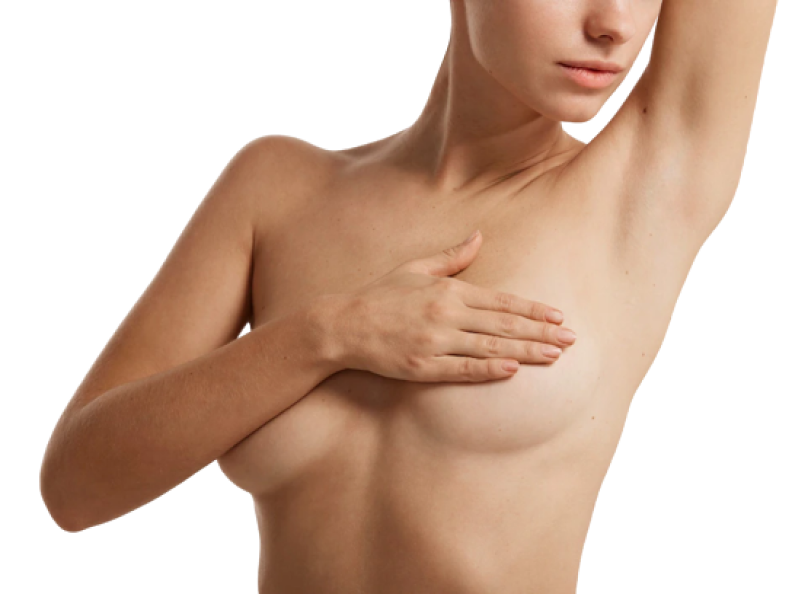
The first thing to note is that the contracture does not imply a rejection of the breast implant. The contracture can be uni or bilateral and its appearance does not imply a reaction against the silicone. There is no single cause, and many factors have been involved in its development:
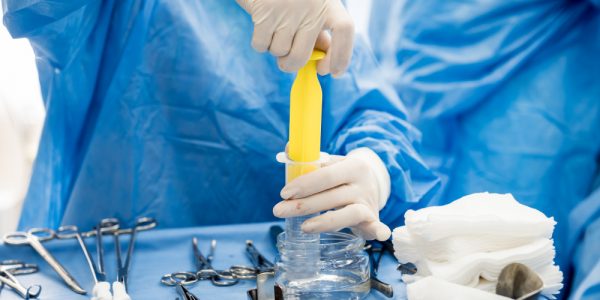
We have studied in our patients how to reduce the possibility of contamination and always use the following preventive measures:
When a breast prosthesis is inserted, regardless of the type (silicone, saline…), the body reacts by forming a lining around it that acts as protection, which is what we know as a capsule. And capsular contracture or breast encapsulation is a frequent complication in breast augmentation whereby the capsule surrounding the breast implant thickens and hardens. The more time passes (especially after 10 years) the more likely it is to occur. The incidence of capsular contracture is around 8%, although this figure is very variable because it depends on many factors, especially the type of implant.
Apart from ultrasound and leukotriene inhibitors, the only possible treatment is surgery. Capsule manipulation by forced compression(closed capsulotomy) is absolutely contraindicated because of the real risk of intracapsular hematoma and implant rupture.
The surgical technique consists of capsulotomy (cuts in the capsule to relax it) or capsulectomy (removal) which can be total or partial. In submuscular implants total capsulectomy can be difficult to practice because the capsule is very adhered to ribs. In these cases the risk of bleeding or perforation of the pleura (pneumothorax) is very high so it may be necessary to leave the capsule attached.
If calcifications are present, given that they may interfere with mammography, total capsulectomy is recommended.
After cleaning, there are three possibilities, as in the case of plastic surgery for implant rupture:
The final price will depend on the surgery to be performed, but it is from 6000 €:
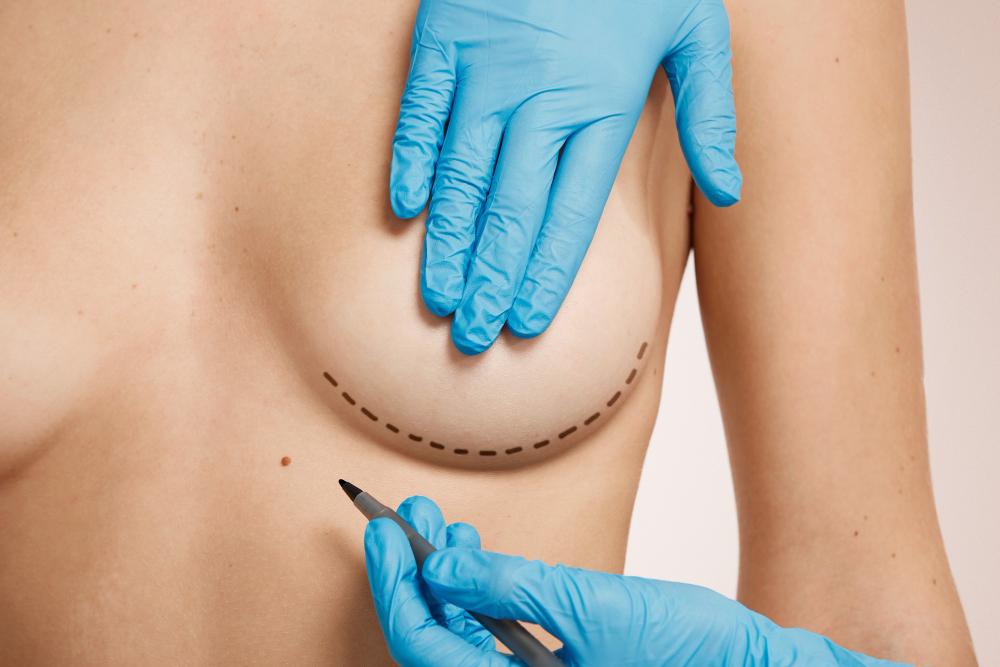
Follow-up and revisions during 1 year included: the revisions include an ultrasound study of the implant, something in which we are pioneers in Spain and we train the rest of the surgeons in the country.
4. Rupture and complications insurance: in case of rupture and capsular contracture you do not have to pay any cost in the first 5 years.
5. Fees and clinic: during hospitalization a companion can be with you at no additional cost.
6. Implant warranty: we work with the best implants in the market. With the implants we give you their cards that make reference to the quantity and material that you carry, and includes the guarantee of the company that manufactures them.
7. Prices without surprises: the price you are given includes everything that has been agreed upon, there are no surprises or later additions.
During 3-4 days we recommend some rest, after this time you can usually lead a normal life, but you must avoid efforts or weights for 15 to 30 days, depending on the plane where the breast implant is located.
Some swelling is to be expected in the first month, which then decreases. We know that the volume between 4 and 12 months hardly changes although there is a reduction of the breast projection by 30%.
It is also normal to have alterations in sensitivity, especially in the lower part of the breasts. This sensitivity is going to recover and may take up to 1 year for full recovery. It is very rare to have a loss of sensitivity in the areola, but not impossible.
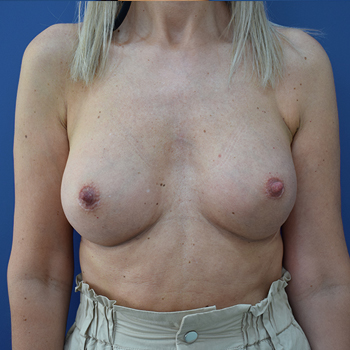
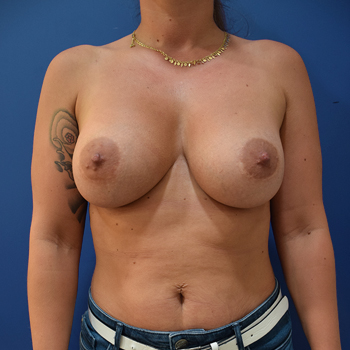
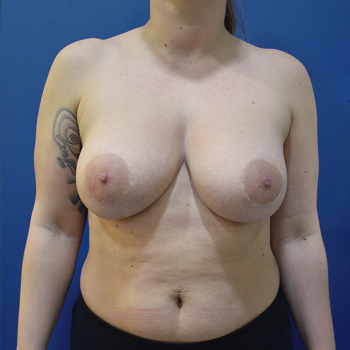
EXCELENTETrustindex verifica que la fuente original de la reseña sea Google. Maravillosa experiencia con la Doctora Salvador!!!Publicado en GoogleTrustindex verifica que la fuente original de la reseña sea Google. Estic encantada! Son els millors!Publicado en GoogleTrustindex verifica que la fuente original de la reseña sea Google. Muy profesionales. El trato es atento y cercano. Los resultados óptimos. He quedado muy satisfecho, los recomiendo totalmente.Publicado en GoogleTrustindex verifica que la fuente original de la reseña sea Google. Es la mejor clínica. Yo fue operado por el Dr. Benito. Durante mucho tiempo elegí una clínica y un médico, dudé. Pero tuve mucha suerte, ¡caí en manos de oro! Estoy muy contenta con el resultado inmejorable. El doctor es un especialista muy atento y elegante. Todo el personal de la clínica es muy agradable. 😊🌟✨💫Publicado en GoogleTrustindex verifica que la fuente original de la reseña sea Google. Muy buena clínica, la doctora Salvador explica todo de manera que sabes que estas en buenas manos.Publicado en GoogleTrustindex verifica que la fuente original de la reseña sea Google. Espectacular resultado gracias al dr.benito y a su equipo🥰Publicado en GoogleTrustindex verifica que la fuente original de la reseña sea Google. Hace más de 15 años que confío en el doctor Jesús Benito. Un gran cirujano y una persona encantadora. Gracias por todos los cuidados !!!!Publicado en GoogleTrustindex verifica que la fuente original de la reseña sea Google. Muy agradecido al Dr Benito por la confianza que se gana y que te ayuda a tomar decisiones. Muy satisfecho con su profesionalidad y los resultados. Y muy contento con su equipo por lo cómodo y fácil que te hacen todo.
Dr. Jesús Benito Ruiz is the medical director and co-founder of Antiaging Group Barcelona, with more than 30 years of experience in plastic, cosmetic, and reconstructive surgery. He earned a degree with honors in Medicine and Surgery from the University of Valencia and specialized in plastic surgery at La Fe Hospital. He has served as president of the AECEP and vice president of the SECPRE. Recognized for his innovation in surgical techniques, he has developed advanced procedures such as breast augmentation using the patient’s own fat and facelifts without visible scars. He is the author of numerous scientific publications and actively participates in international conferences. Among his awards are the Gómez Ferrer Navarro Prize for Surgery and the McGhan Prize for his advances in breast surgery.

The only effective treatment is surgery, but we only perform it in severe grades, Baker III and IV.
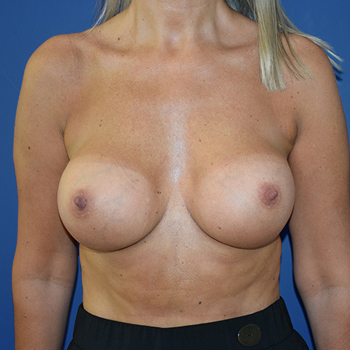
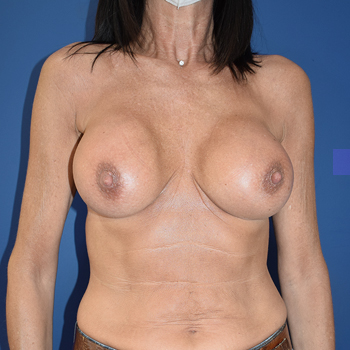
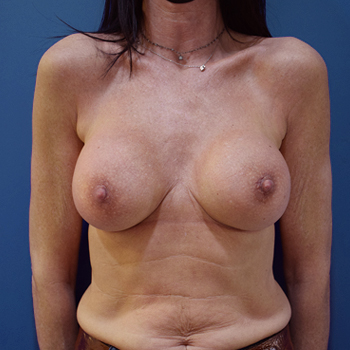
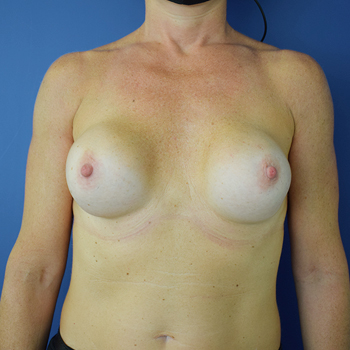
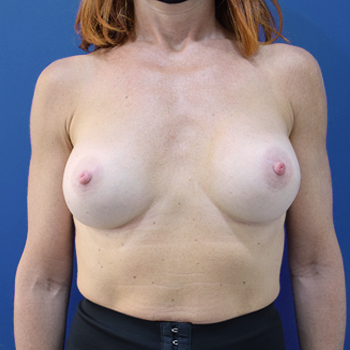
The first sign is that the breast hardens and it is difficult to deform the implant. In addition, the encapsulation makes the implant look rounder. Sometimes it even looks higher
En bloc capsulectomy is not a treatment of capsular contracture. It means that the implant and capsule are removed in one piece, and is a term reserved for the treatment of LCLL. In capsular contracture, a total or partial capsulectomy is performed.
Not really. Capsular contracture has a multifactorial origin and we never know who will suffer from it. In addition, it can occur many years after breast augmentation.