

Do you want to improve the appearance of your body?

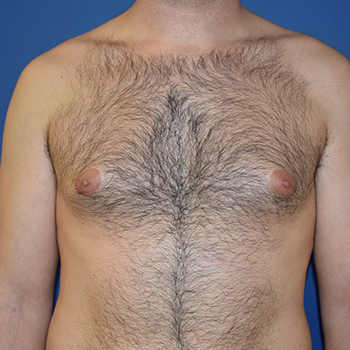
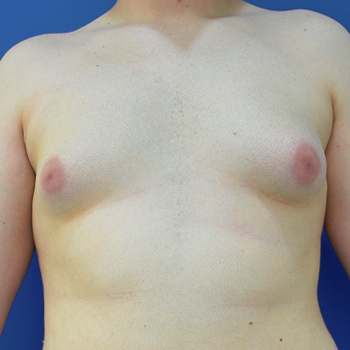
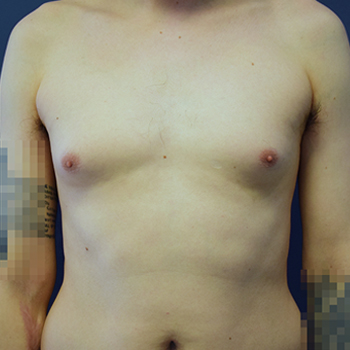
Gynecomastia defines an alteration caused by the increase in volume of the mammary glands in men. Surgery for gynecomastia is the treatment to eliminate it definitively. . Although during puberty it is normal for the male mammary gland to increase in size due to hormonal changes, when these cease, the breasts should regain their shape. However, in some cases the gland remains enlarged causing an evident aesthetic alteration and possible psychosocial repercussions.
The symptoms of gynecomastia are visible. A larger than usual breast size in the male (611.1 Mammary hypertrophy), as well as pain on physical examination, indicates that we may have gynecomastia. People suffering from this disorder usually have a feeling of shame associated with it, affecting their social life.
It affects 50% of newborns because of the estrogen level due to transfer from the mother, and disappears in two to three weeks.
Associated with hormonal changes and appearing during puberty, it may resolve spontaneously in a period ranging from six months to two years. It is therefore recommended to wait and if it does not resolve on its own, the breast should be surgically removed.
It appears more frequently in men between 50 and 70 years of age and is due to a decrease in testosterone production. It affects 25% of this group.
Related to the use of certain medications (corticosteroids, anabolic steroids, diuretics, antacids, etc.) or to certain diseases (Klinefelter’s syndrome, renal failure, adipose-genital dystrophy, liver cirrhosis ….).
Related to the use of drugs (marijuana, heroin, amphetamines) and alcohol.
Due to an excess of fatty tissue, and is mostly associated with obesity.
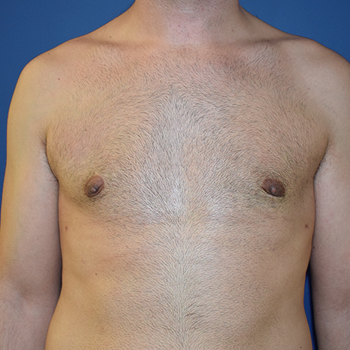
In Antiaging Group Barcelona we have developed a new technique for gynecomastia that allows the removal of the mammary gland and fat through a small incision of less than 1 cm on the side of the chest and that was published in the Aesthetic Surgery Journal. This technique is applicable in most cases, although there are patients in whom the glandular button has to be removed through the areola or the axilla.
In pseudogynecomastia, liposuction or lipolaser is very useful to reduce breast volume. In any case, the procedure is usually performed under general anesthesia.
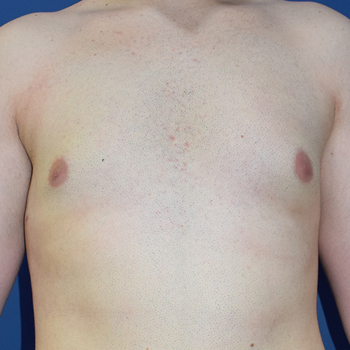
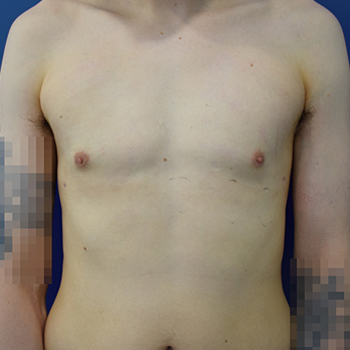
The best aesthetic result is achieved by liposuction and glandular resection with a cartilage shaver. The Prado technique we use achieves a very important retraction of the skin without scarring of the breast. In selected cases it may be necessary to make a small incision in the areola or to remove the gland from the axilla, but 90% of the cases can be treated with this technique.
1. Dr. Jesús Benito Ruiz, a leading Spanish plastic surgeon, talks about gynecomastia, an alteration in the male gland that affects many men during adolescence.
2. There are two types of gynecomastia: true gynecomastia, related to glandular growth, and false or pseudo gynecomastia, which has a fatty component and is associated with obesity or overweight.
3. The most common causes of gynecomastia are hormonal disorders in adolescence, the consumption of anabolic steroids, and some medications such as gastric protectors or treatments for hair loss.
4. The recommended treatment for gynecomastia is surgical. Overweight patients are advised to lose weight before surgery. Most surgeries are performed under general anesthesia and results are seen in approximately one month.
5. After surgery, the patient can resume normal activities in a few days, although it is recommended to avoid chest exercises for at least two weeks. Complete recovery, including physical exercise, takes about one month.
After the intervention, a drainage is left to avoid hematoma formation and a compressive bandage is applied for 24 hours, which is replaced by a girdle to be worn for a month. After removing the stitches, it is recommended to start with massages, avoiding physical exercise for the first 15 days. The hardness that forms under the skin, in the space left by the extraction of the gland, may take months to disappear.
EXCELENTETrustindex verifica que la fuente original de la reseña sea Google. Maravillosa experiencia con la Doctora Salvador!!!Publicado enTrustindex verifica que la fuente original de la reseña sea Google. Estic encantada! Son els millors!Publicado enTrustindex verifica que la fuente original de la reseña sea Google. Muy profesionales. El trato es atento y cercano. Los resultados óptimos. He quedado muy satisfecho, los recomiendo totalmente.Publicado enTrustindex verifica que la fuente original de la reseña sea Google. Es la mejor clínica. Yo fue operado por el Dr. Benito. Durante mucho tiempo elegí una clínica y un médico, dudé. Pero tuve mucha suerte, ¡caí en manos de oro! Estoy muy contenta con el resultado inmejorable. El doctor es un especialista muy atento y elegante. Todo el personal de la clínica es muy agradable. 😊🌟✨💫Publicado enTrustindex verifica que la fuente original de la reseña sea Google. Muy buena clínica, la doctora Salvador explica todo de manera que sabes que estas en buenas manos.Publicado enTrustindex verifica que la fuente original de la reseña sea Google. Espectacular resultado gracias al dr.benito y a su equipo🥰Publicado enTrustindex verifica que la fuente original de la reseña sea Google. Hace más de 15 años que confío en el doctor Jesús Benito. Un gran cirujano y una persona encantadora. Gracias por todos los cuidados !!!!Publicado enTrustindex verifica que la fuente original de la reseña sea Google. Muy agradecido al Dr Benito por la confianza que se gana y que te ayuda a tomar decisiones. Muy satisfecho con su profesionalidad y los resultados. Y muy contento con su equipo por lo cómodo y fácil que te hacen todo.

Once gynecomastia is established and time has passed, it can only be treated surgically.
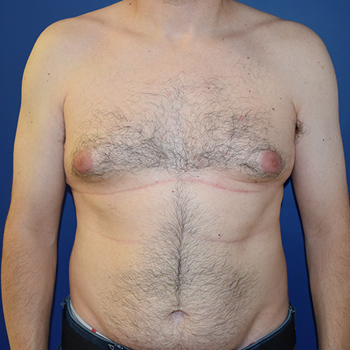
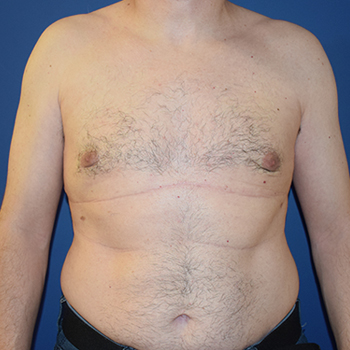
In most cases, scars will be left after gynecomastia surgery. However, these scars are usually small and located in discrete areas such as around the areola or in the armpit. If we use liposuction the scar is minimal.
It is important for a plastic surgery specialist to diagnose whether it is true or false gynecomastia, as the causes and treatments may be different. In general, a true gynecomastia is due to an overgrowth of breast tissue, while a false gynecomastia is caused by excess fat.
We try to avoid skin resection techniques as much as possible, except in cases of great flaccidity such as after significant weight loss. Scars in men are quite visible and poorly tolerated, so it is better in most cases to empty the gland and wait for the skin to retract. If it does not do so correctly, removal may be considered. Only in severe cases is there no choice but to remove skin at the same time as the mastectomy.